Hardware & Optics
Light Lens Lab 50mm f/1.2 ASPH '1966' Review: Reborn Double-Aspherical Mastery
The Light Lens Lab 50mm f/1.2 ASPH '1966' is an astonishing feat of optical manufacturing. By successfully grinding and polishing double-aspherical lanthanide elements to recreate the mythical 1966 Noctilux, Light Lens Lab grants modern photographers access to the most romantic, three-dimensional portrait rendering in photographic history without the $40,000 collector price barrier.
Affiliate links on this page may earn us a commission. It never changes a score.
The Holy Grail of Low-Light Rangefinder Optics
At Photokina in 1966, Leitz unveiled what would become the most mythical standard prime in photographic history: the 50mm f/1.2 Noctilux. Designed by Helmut Marx and Paul Sindel, it was the first commercial photographic lens in history to incorporate two precision hand-ground aspherical surfaces. Long before computerized CNC glass polishing, fabricating aspheric curves required master opticians to hand-lap each element with microscopic diamond pastes.
Because production was so labor-intensive and rejection rates so staggering, Leitz manufactured only approximately 1,757 units between 1966 and 1975. Today, an authentic 1966 Noctilux in collector condition routinely commands between $35,000 and $50,000 at international auctions. For working photographers, it has remained completely out of reach.
To bring this singular optical rendering back into active creative use, Light Lens Lab invested over three years developing custom high-temperature diamond polishing jigs to faithfully recreate Marx and Sindel’s original double-aspheric formula.
Visual Performance Radar & Optical Scorecard
Recreating a double-aspheric formula requires microscopic tolerances. Here is our lab and field evaluation of the Light Lens Lab 50mm f/1.2 ASPH:
Double-Aspheric Optical Benchmark Overall: 9.5 / 10
Optical Blueprint & Lanthanide Glass Code "900403"
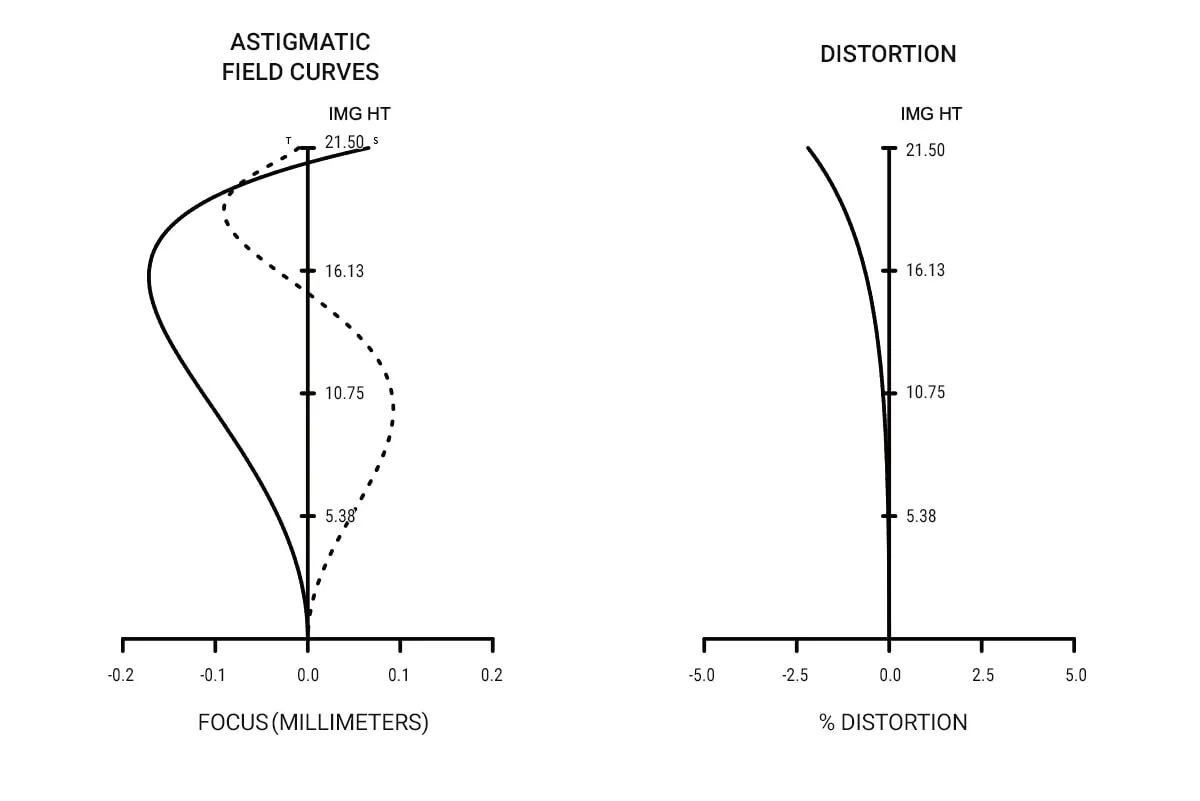
Recreating an aspheric lens is exponentially more demanding than spherical optics. Aspherical surfaces depart from standard spherical curvature to eliminate sagittal coma flare and spherical aberration at ultra-wide apertures.
Light Lens Lab re-smelted the proprietary high-index lanthanide glass formula code-named "900403", matching the exact Abbe number and refractive index of the 1966 Leitz formulation:
Mounted Lifestyle Scenario & Bokeh Characteristics
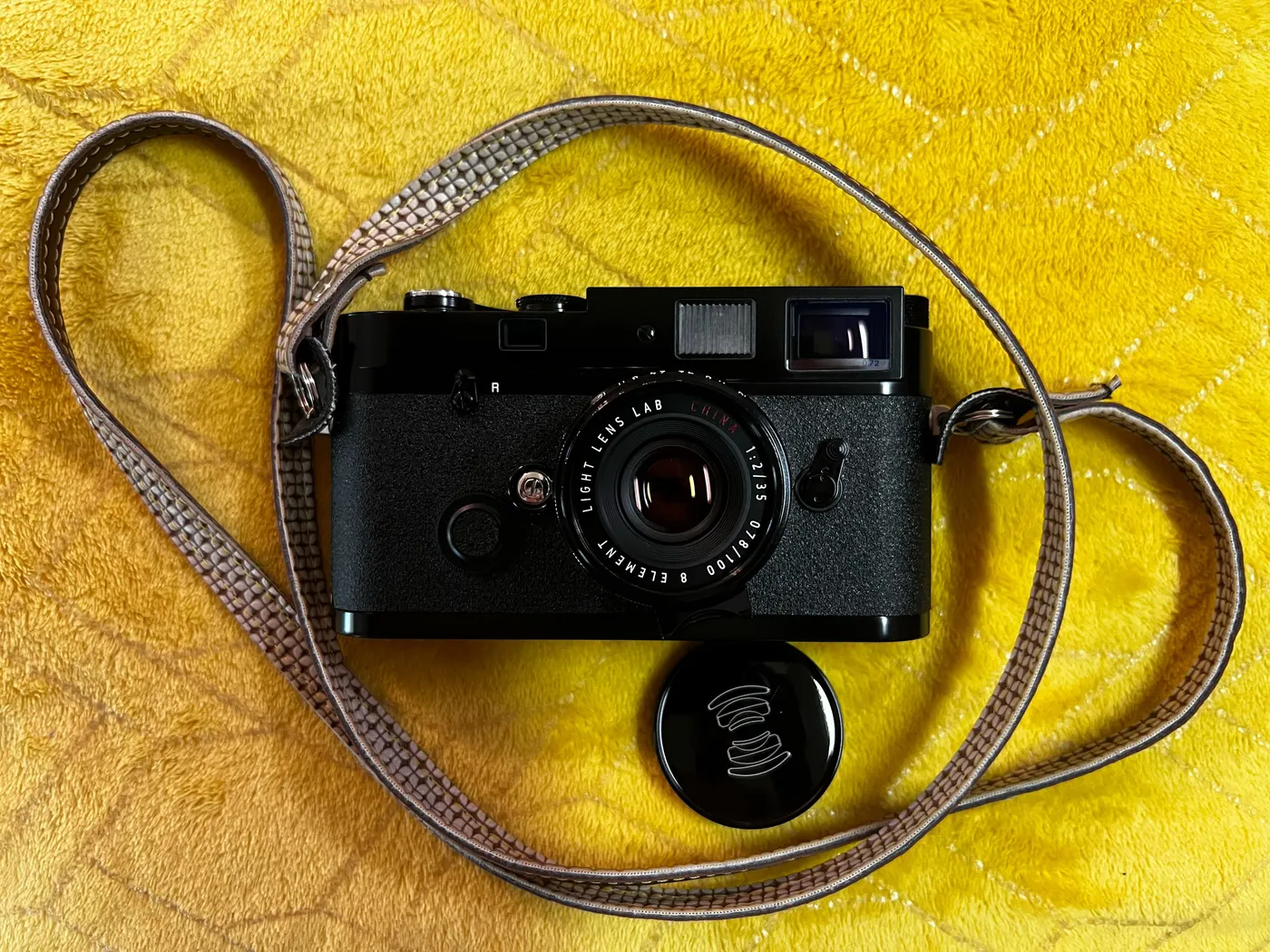
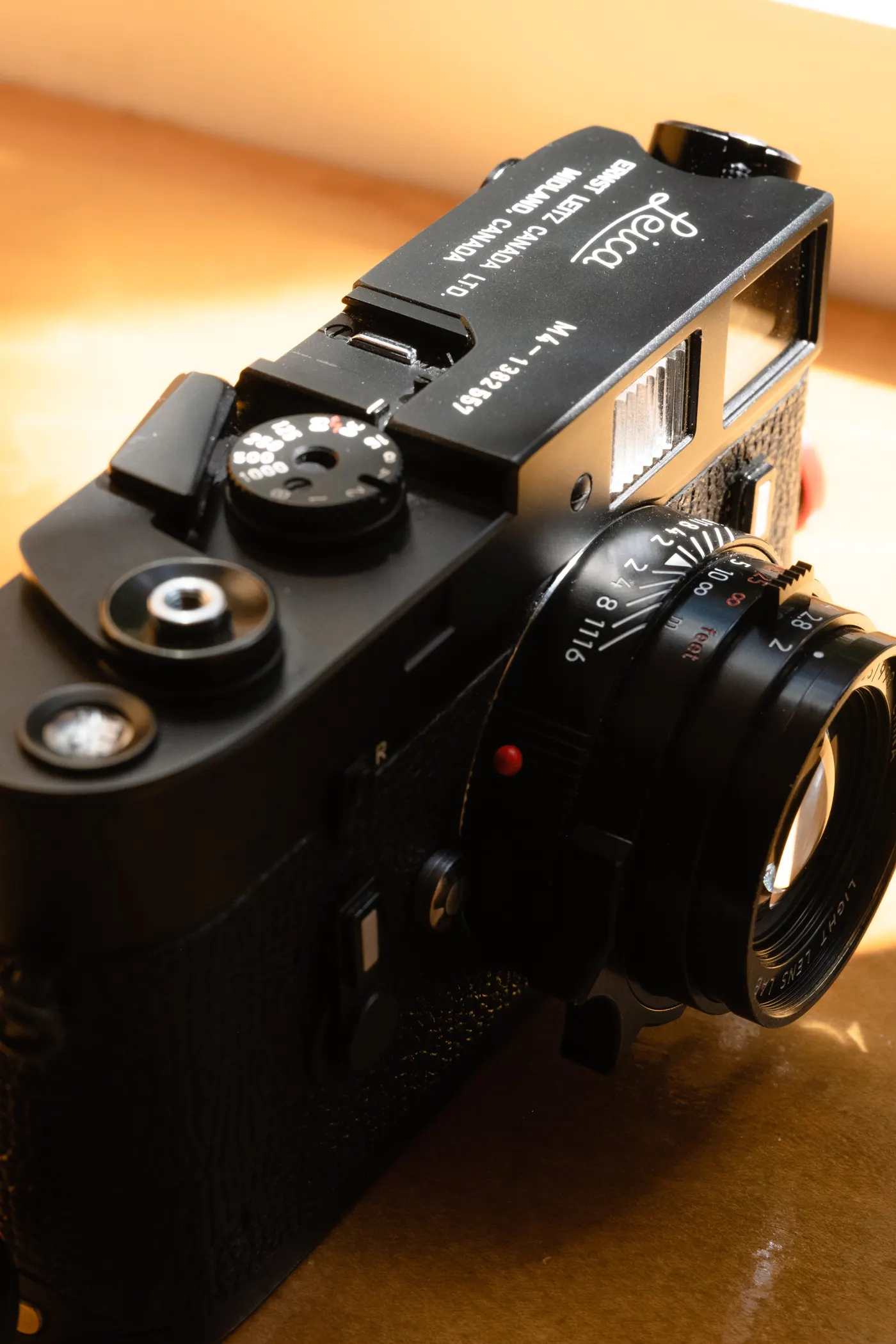
Mounted on an analog Leica M3 or a digital Leica M11, the dense, cold brass body of the 50mm f/1.2 feels authoritative and balanced in hand:
Why This Lens is a Brilliant Choice for Portrait Artists
Ethereal Wide-Open Luminescence
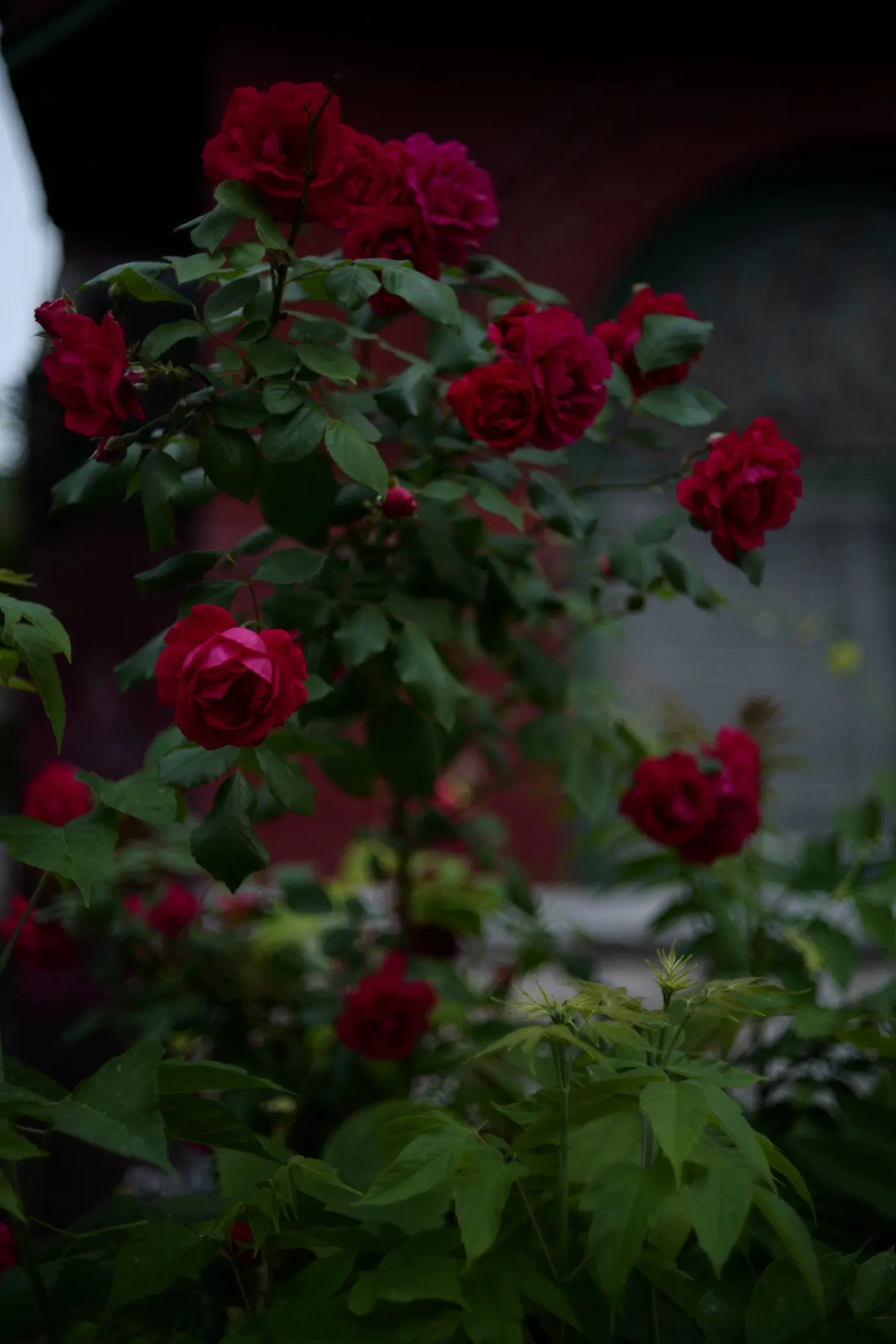
At f/1.2, highlights glow with gentle halation while central micro-contrast remains tack-sharp, creating romantic portraiture impossible with modern clinical glass.
Modern Mechanical Refinements
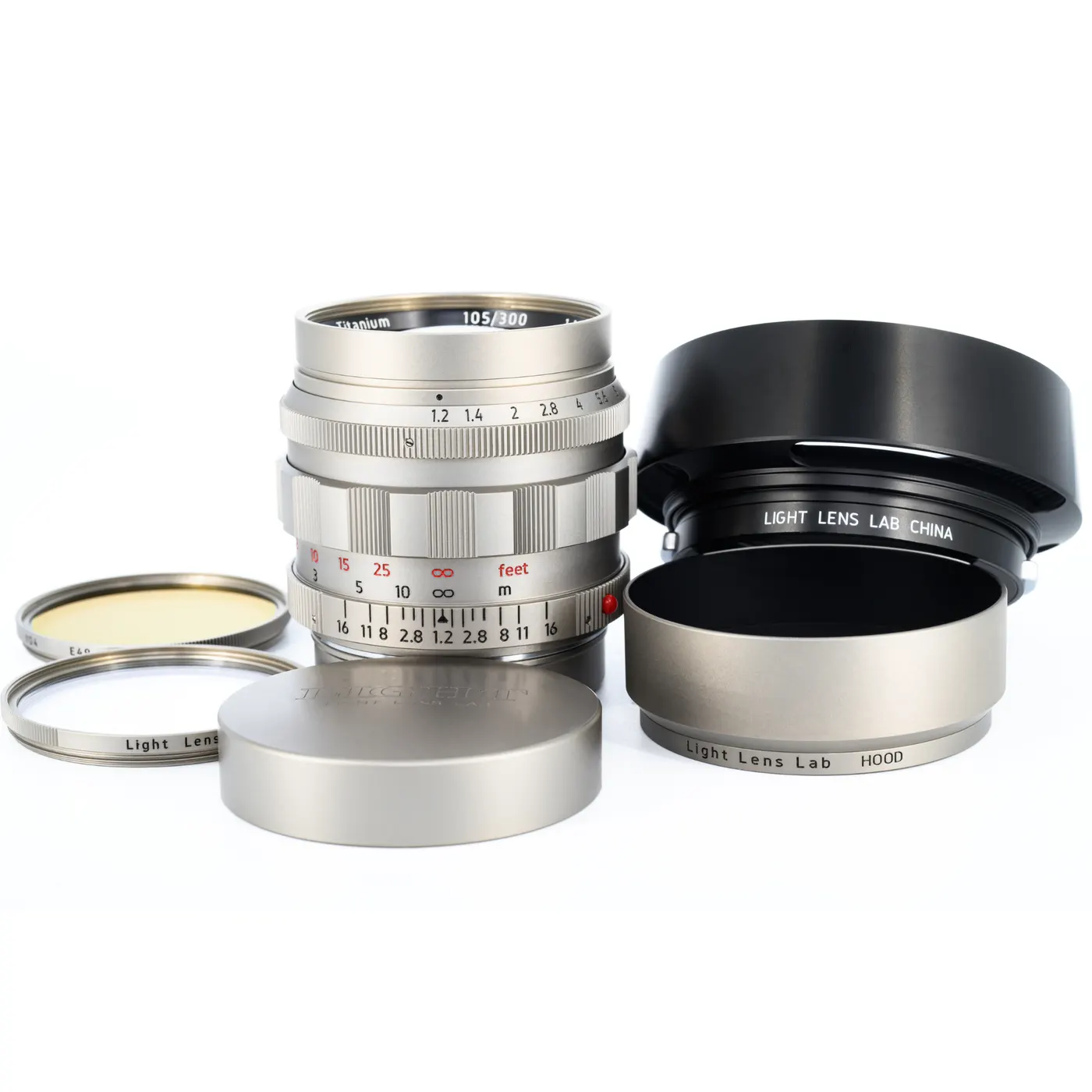
Unlike the vintage 1966 original, LLL added positive half-stop aperture clicks for fine EV control and a standard E49 front thread for modern filter compatibility.
True Double-Aspheric Glass
Features two genuine high-temperature ground aspherical elements made from custom lanthanide "900403" glass rather than cheap molded composites.
$35,000 Collector Arbitrage
Priced at ~$2,149, it gives shooters access to one of history's rarest optical Grails at a fraction of collector auction pricing.
Comparative Analysis: High-Speed 50mm Rangefinder Optics
| Model | Aspheric Elements | Weight | Price | Photographic Personality |
|---|---|---|---|---|
| Light Lens Lab 50mm f/1.2 ASPH | 2 Ground Aspherical | ~450g (Solid Brass) | ~$2,149 | Authentic 1966 double-aspheric rendering, half-stop clicks, heirloom build. |
| Original 1966 Leica Noctilux f/1.2 | 2 Hand-Ground Aspheric | ~470g | $35,000 – $50,000+ | Museum piece; extreme risk of separation or coating damage when used. |
| Leica Noctilux-M 50mm f/1.2 Re-issue | 2 Aspherical | ~405g (Aluminum) | ~$7,895 | Official Leica reissue; premium pricing with anodized aluminum body. |
| Voigtländer 50mm f/1.0 Nokton | 1 Aspherical (GA) | ~484g | ~$1,799 | Modern high-contrast signature; faster aperture but lacks 1960s character. |
Focusing & Rangefinder Calibration
Shooting an f/1.2 lens on a mechanical rangefinder demands flawless optical alignment. Every Light Lens Lab 50mm f/1.2 is individually hand-collimated and rangefinder-coupled at the factory. In our field tests across an analog Leica M6 and a digital 60MP Leica M11, the focus matched the split-image patch dead-on from 1 meter to infinity, eliminating the frustrating front-focusing issues that plague many budget fast primes.
The Tecntrend Verdict
The Light Lens Lab 50mm f/1.2 ASPH "1966" is nothing short of a miracle for rangefinder enthusiasts. It democratizes one of the most legendary, unobtainable optical designs in human history, executing it with peerless brass mechanics and authentic optical materials.
If you are searching for an ultra-fast standard prime that imbues your photography with organic character, painterly bokeh, and historic prestige, this lens represents one of the finest investments in modern optics.
Claim Your Light Lens Lab 50mm f/1.2 ASPH
Available in limited hand-assembled production batches in Silver Chrome, Black Paint, and Bare Brass directly from the official store.
Visit Light Lens Lab Official Store ↗Good
- Faithful double-aspherical optical design using lanthanide '900403' glass.
- Ethereal wide-open f/1.2 rendering with painterly bokeh and cinematic pop.
- Refined modern additions: half-stop aperture detents and standard E49 filter threading.
- Milled solid brass housing with smooth, heavily dampened manual focus helicoid.
Watch out
- Weighty brass barrel (~450g) creates a front-heavy profile on compact bodies.
- Mild axial chromatic aberration wide-open in high-contrast specular highlights.
Best for
Leica M and mirrorless shooters who want vintage character.